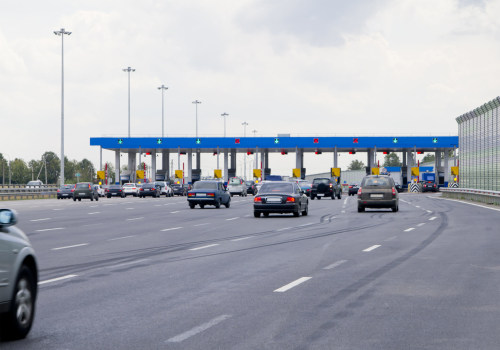
Commercial truck tolls are an important cost factor for construction and industrial fleets that operate across highways, bridges, and toll-managed corridors. For companies managing large vehicles and heavy loads, toll expenses can accumulate quickly, directly affecting project budgets and overall profitability. Unlike passenger vehicles, commercial trucks are often charged higher toll rates based on axle count, weight, and distance traveled. Understanding how toll systems work is essential for fleet managers who want to maintain cost control while meeting demanding delivery schedules.
Route Planning and Cost Optimization
Effective route planning is one of the most practical ways to manage toll-related expenses. Construction and industrial fleets frequently operate on tight timelines, but the fastest route is not always the most cost-efficient. Fleet managers must weigh the trade-off between toll costs and potential savings in fuel, labor hours, and vehicle wear. Advanced route-planning tools help identify optimal paths that balance travel time with toll avoidance when appropriate. By analyzing historical data and project requirements, fleets can make informed decisions that reduce unnecessary toll expenditures without sacrificing reliability.
Budgeting for Long-Term Projects
Large construction and industrial projects often span months or even years, making toll forecasting an essential part of financial planning. Fleets that regularly travel through toll-heavy regions need to incorporate these costs into project bids and budgets from the outset. Failing to account for toll expenses can lead to budget overruns and reduced margins. Proactive budgeting ensures that toll costs are distributed accurately across project phases, allowing companies to price services competitively while protecting profitability.
Technology and Toll Management Systems
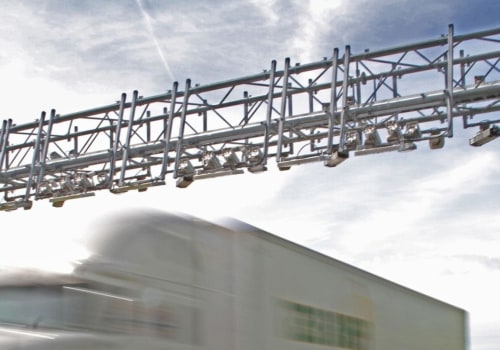
Technology plays a growing role in simplifying toll management for commercial fleets. Electronic toll collection systems reduce delays at toll plazas and provide detailed records of toll usage. These systems improve efficiency by minimizing stop-and-go traffic that can increase fuel consumption and wear on vehicles. Centralized toll reporting also helps fleet managers track expenses by vehicle, route, or project, making it easier to identify cost-saving opportunities and ensure accurate expense allocation.
Coordination with On-Site Operations
Toll considerations extend beyond highway travel and influence broader project logistics. Construction and industrial fleets must coordinate inbound and outbound trips with on-site operations to avoid unnecessary travel. Efficient scheduling reduces repeat trips and helps optimize toll spending. This coordination often includes aligning transportation plans with waste removal and material staging. Integrating services such as dumpster rental service in Windsor, CO into project logistics can reduce the number of haul-off trips required, indirectly helping fleets manage toll exposure while keeping job sites organized and compliant.
Compliance and Regulatory Awareness
Commercial fleets must also stay informed about toll regulations, exemptions, and regional variations. Some jurisdictions offer discounts, caps, or exemptions for certain types of commercial vehicles or specific routes. Understanding these programs can result in significant savings over time. Non-compliance, on the other hand, can lead to fines and penalties that add unnecessary costs. Regular training and updates ensure that drivers and dispatchers are aware of toll-related requirements and best practices.
Balancing Efficiency, Cost, and Reliability
Commercial truck tolls are an unavoidable reality for construction and industrial fleets, but they can be managed strategically. By combining smart route planning, accurate budgeting, technology adoption, and coordinated logistics, fleets can minimize the financial impact of tolls while maintaining operational efficiency. Thoughtful toll management supports reliable project execution, helping construction and industrial operations stay on schedule and within budget despite the complexities of modern transportation networks.