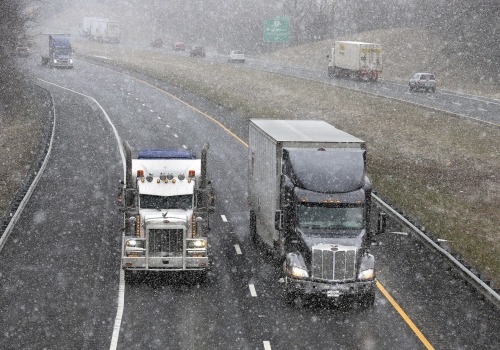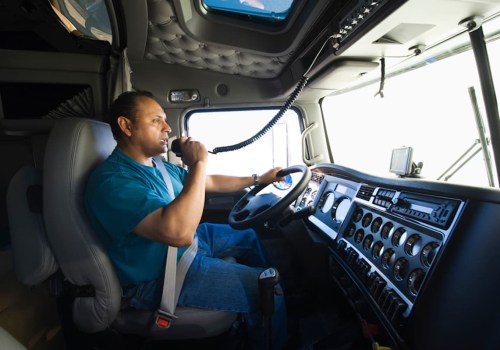
For truck drivers, toll roads are part of the job — a necessary cost of keeping freight moving across the country. But for independent owner-operators, those toll costs can feel like a heavy burden. Unlike large fleets that can absorb or offset expenses through bulk discounts and negotiated rates, solo drivers must pay every dollar out of pocket. Over time, these fees chip away at already narrow profit margins, making it harder for small business truckers to compete. The difference between big carriers and independents is not just scale — it’s survival.
A Disproportionate Impact
Owner-operators typically operate one truck, sometimes two, managing every aspect of their business — from maintenance and fuel to taxes and insurance. Tolls, while seemingly minor compared to fuel costs, can add up to thousands of dollars per year. For drivers who regularly travel across states with extensive toll systems, like Pennsylvania, New York, or Illinois, these fees can account for a significant percentage of their total operating expenses. Large fleets, by contrast, often have electronic toll accounts that secure lower per-mile rates or bulk discounts unavailable to small operators. This creates an uneven playing field that favors those with deeper pockets.
The Strain on Profit Margins
The average owner-operator earns a living through precise budgeting. Every expense must be accounted for — and every unexpected cost can throw off that balance. Rising toll rates, combined with fluctuating fuel prices, make trip planning increasingly difficult. A long-haul journey that crosses multiple tolled routes can cost hundreds of dollars in fees alone. Unlike big carriers that can spread costs across dozens or hundreds of vehicles, independents must absorb each toll directly. Even small increases in toll rates can mean the difference between a profitable trip and a break-even haul.
Route Choices and Time Pressures
To save money, some independent truckers attempt to avoid toll routes altogether by taking alternate highways or backroads. While this can reduce direct expenses, it often adds extra miles, driving hours, and fuel consumption — ultimately negating the savings. Additionally, detours can increase wear and tear on trucks, adding hidden costs down the line. Large companies, with their advanced logistics software, can optimize routes automatically, choosing the most efficient path while factoring in tolls, fuel prices, and delivery deadlines. Independent drivers, on the other hand, must rely on experience and manual planning, leaving them at a disadvantage.
Storage, Strategy, and Support Systems
To stay competitive, many owner-operators look for ways to manage expenses creatively. Some partner with local facilities or logistics partners to reduce overhead or store freight between hauls. For instance, dependable storage services like Smiths Station Storage can offer affordable and secure options for drivers who need temporary space for equipment or goods. Access to local storage solutions helps drivers consolidate loads and better plan routes, minimizing downtime and unnecessary toll expenses. For many independents, these small efficiencies add up to big savings over time.
The Call for Fairer Policies
Industry advocates have long argued for toll reform, suggesting that independent drivers should have access to the same bulk rate benefits as larger carriers. After all, every truck contributes equally to road maintenance and infrastructure wear. Offering equitable toll structures would not only support small operators but also strengthen the overall supply chain by keeping independent drivers in business.
Conclusion
Toll costs are more than just another line item for independent owner-operators — they’re a persistent obstacle to financial stability. While big fleets can distribute costs and negotiate discounts, single-truck drivers face the full weight of every toll booth. Their resilience and dedication keep freight moving across America’s highways, but rising toll rates continue to squeeze their bottom lines. Until fairer solutions are implemented, the road ahead will remain more expensive — and more challenging — for those who drive it alone.