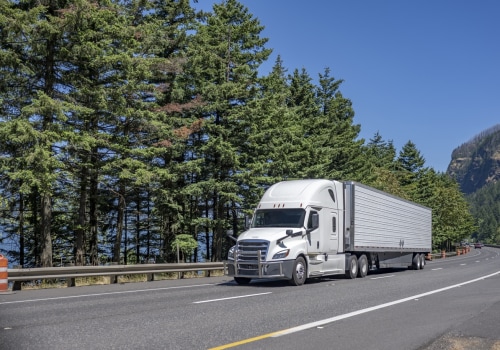
Commercial truck tolls are designed to fund infrastructure improvements, manage congestion, and maintain major transportation corridors. While these toll systems support road quality and long-term development, they also introduce recurring operational expenses for trucking companies. For industries that rely heavily on transportation—such as construction, waste management, and property services—these added costs can influence pricing structures and service routes. Local dumpster rental providers, in particular, feel the impact because their business model depends on frequent hauling trips between job sites and disposal facilities.
Each time a waste-hauling truck passes through a toll zone, fees accumulate. Over time, these repeated charges increase fuel-adjusted transportation costs and can affect how service providers structure delivery and pickup schedules. In regions where toll roads are unavoidable, dumpster rental companies must carefully manage routing efficiency to maintain competitive pricing.
Route Planning and Operational Adjustments
To mitigate the financial effect of tolls, many waste management companies adopt strategic route planning. Advanced GPS systems and traffic analytics help operators identify cost-effective paths that balance fuel consumption, travel time, and toll expenses. In some cases, companies may consolidate pickups or adjust scheduling windows to reduce the number of toll crossings per day.
For example, businesses offering dumpster rentals in Mcdonough, GA may coordinate deliveries and hauls in clustered geographic areas to minimize repeated travel through toll-heavy routes. By optimizing routes and grouping service calls, providers can maintain operational efficiency while absorbing or minimizing toll-related expenses.
These logistical adjustments also help prevent delays. Toll roads are often designed to ease congestion, so companies must evaluate whether paying tolls actually improves turnaround times. Faster disposal trips can sometimes offset the added cost by increasing the number of completed service calls in a single day.
Pricing Strategies and Customer Communication
Commercial truck tolls can indirectly influence pricing for local dumpster rental services. When transportation costs rise, service providers may adjust rental fees, delivery charges, or mileage rates to maintain profitability. Transparent communication with customers becomes essential, especially for long-distance hauls or projects located within toll-intensive zones.
Some providers incorporate transportation surcharges into flat-rate pricing models, while others calculate variable fees based on location and travel distance. By clearly outlining how costs are structured, dumpster rental companies preserve customer trust while adapting to evolving infrastructure expenses.
Long-Term Effects on Local Service Areas
Over time, toll systems may influence the geographic focus of dumpster rental providers. Companies might expand service coverage into areas with lower transportation costs or adjust their operational footprint to align with more accessible disposal facilities. These shifts can reshape local service availability and competition within the waste management industry.
However, toll-funded infrastructure improvements also offer benefits. Better-maintained highways reduce vehicle wear and tear, lower accident risks, and improve reliability. These advantages can enhance long-term operational stability for hauling companies, even if short-term costs increase.
Ultimately, commercial truck tolls have a measurable effect on local dumpster rental services. From route optimization and pricing adjustments to service area planning, toll-related expenses shape operational decisions within the industry. By leveraging strategic logistics and efficient scheduling, providers can continue delivering reliable waste solutions while navigating the financial realities of modern transportation infrastructure.