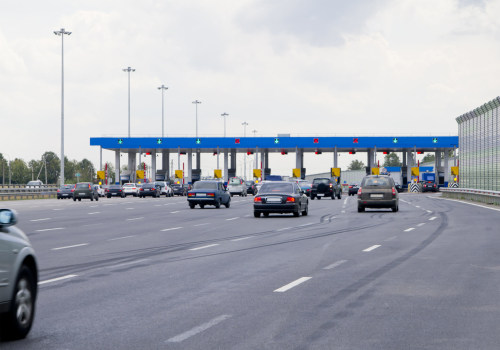
Commercial truck tolls are often viewed strictly as transportation expenses, but their influence extends well beyond the freight industry. Toll systems, designed to fund road maintenance and manage congestion, directly affect how logistics operators plan routes, schedule deliveries, and calculate operating costs. Over time, these recurring charges reshape traffic patterns and influence where businesses choose to establish distribution points, service areas, and staging locations. For real estate investors—particularly those in the self storage sector—understanding the economic ripple effects of truck tolls is critical when evaluating new development opportunities.
When toll fees significantly increase transportation costs within certain corridors, businesses frequently seek alternative routes or staging areas outside high-cost zones. This shift can create new pockets of commercial activity in adjacent regions, making those areas attractive for storage facility investment.
Freight Patterns and Site Selection Strategy
Commercial truck tolls influence freight flow, and freight flow influences property demand. If trucking companies consistently reroute around heavily tolled highways, nearby areas with easier access and lower transportation costs may experience higher traffic volumes. Storage facilities located along these secondary routes can benefit from increased visibility and commercial usage.
For example, a property like All Locked Up may gain appeal if positioned strategically near transportation corridors that offer cost-effective access without excessive toll exposure. Businesses seeking to minimize repeated toll payments may use nearby storage units to consolidate shipments or stage goods before completing final deliveries. Investors who analyze toll structures alongside traffic data can identify emerging zones where storage demand may strengthen due to shifting logistics patterns.
Supporting Small Business Adaptation
The impact of tolls is not limited to large logistics firms. Independent contractors, regional distributors, and small retailers also adjust operations to manage transportation expenses. Rather than absorbing frequent toll fees, some operators store tools, materials, or inventory just outside toll-heavy areas. This strategy reduces unnecessary travel through costly corridors and improves operational efficiency.
Self storage facilities that offer flexible leasing options and convenient highway access can capture this demand. By serving as cost-saving hubs for local businesses, storage properties become integrated into broader logistics strategies. Investors who recognize this relationship are better positioned to anticipate occupancy trends influenced by transportation economics.
Evaluating Long-Term Investment Stability
Commercial truck toll policies tend to remain in place for extended periods, making them relatively predictable factors in long-term investment analysis. When selecting a site for a new self storage facility, investors increasingly evaluate proximity to toll roads, availability of alternate routes, and regional freight movement patterns. Areas that balance accessibility with manageable transportation costs often present strong growth potential.
At the same time, toll-funded infrastructure improvements can enhance road quality and reliability, indirectly benefiting nearby properties. Improved highways may attract additional commercial activity, which in turn supports storage demand. The key lies in understanding whether toll costs discourage traffic in a given corridor or simply redistribute it to adjacent zones.
Ultimately, commercial truck tolls shape more than freight budgets—they influence regional development patterns and self storage facility investment decisions. By analyzing how toll systems affect transportation behavior, investors can make informed choices about location, demand forecasting, and long-term market positioning within evolving logistics landscapes.