Commercial truck tolls have become a defining feature of transportation infrastructure in many metropolitan areas. Designed to fund road maintenance, manage congestion, and support infrastructure expansion, toll systems significantly influence how freight carriers navigate urban corridors. For logistics operators, toll charges are more than incidental expenses—they directly shape route planning, delivery timing, and operational budgets. When trucks repeatedly pass through toll zones, transportation costs accumulate quickly, prompting companies to rethink how and where goods are staged before entering city centers. This cost sensitivity plays a surprisingly important role in shaping demand for urban self storage facilities.
In high-density cities where toll roads surround central business districts, trucking companies often seek nearby storage or staging areas outside the most expensive toll zones. By consolidating shipments or temporarily holding goods before final delivery, carriers can reduce repeated toll entries and better manage scheduling efficiency.
Staging Strategies and Storage Demand
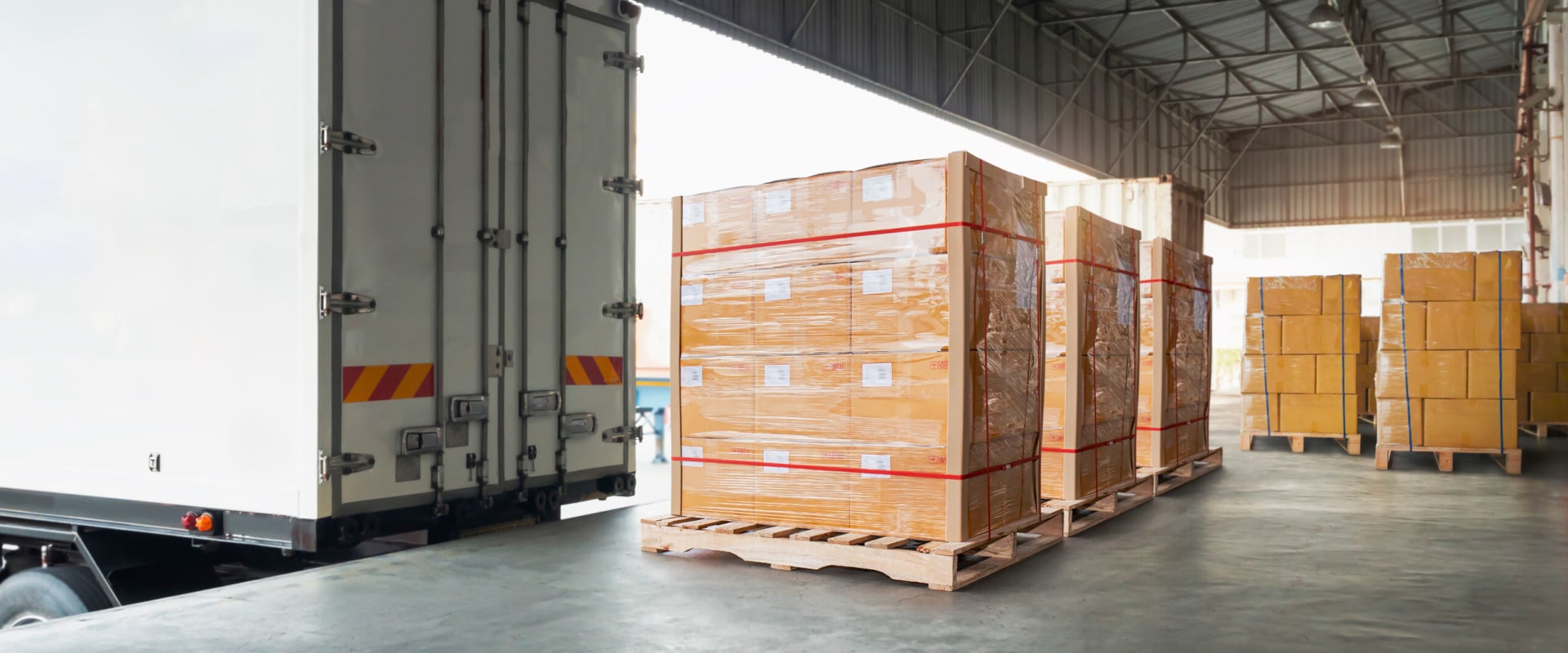
Urban self storage facilities increasingly serve as flexible staging points for small distributors, contractors, and independent operators affected by toll structures. Instead of transporting goods directly into congested city cores multiple times per day, businesses may store inventory at accessible locations near toll boundaries. From there, smaller vehicles or consolidated shipments can complete last-mile deliveries more economically.
This approach benefits not only large freight operators but also small business owners who rely on affordable storage space to manage inventory. For example, facilities like AAA Storage of Highland illustrate how strategically located storage properties can support businesses operating within toll-influenced corridors. When positioned near major roadways but outside high-cost toll loops, such facilities provide practical alternatives for companies seeking to balance accessibility with cost control.
Urban Development and Real Estate Implications
The presence of commercial truck tolls also influences urban real estate development patterns. As transportation expenses rise within heavily tolled areas, industrial and storage developments may shift slightly outward to reduce recurring costs. This outward movement can stimulate growth in secondary neighborhoods where land is more affordable and toll exposure is lower.
Self storage facilities, in particular, benefit from this trend. Urban populations continue to grow, but limited residential space often drives demand for off-site storage. When freight carriers and small businesses simultaneously seek cost-efficient staging locations, urban storage facilities experience compounded demand. Developers respond by creating modern, secure storage properties that cater to both residential and commercial clients. Features such as easy truck access, extended operating hours, and enhanced security systems become key selling points in toll-affected markets.
Balancing Infrastructure Investment and Storage Growth
While toll systems increase transportation expenses, they also contribute to improved road conditions and traffic flow, which can enhance delivery reliability. The challenge for logistics operators is balancing the benefits of well-maintained infrastructure with the costs of frequent toll payments. This balancing act encourages creative logistics strategies, including greater reliance on short-term storage solutions.
Ultimately, commercial truck tolls indirectly fuel demand for urban self storage facilities by influencing how goods move within city environments. As companies adapt to evolving infrastructure costs, strategically located storage properties become essential components of efficient urban logistics networks, supporting both business operations and residential space needs in growing metropolitan areas.