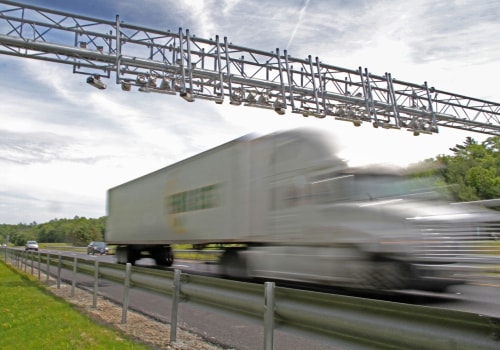
Commercial truck tolls are a significant factor in determining overall transportation costs within modern supply chains. While toll roads are designed to fund infrastructure maintenance and reduce congestion, they also introduce recurring expenses for freight carriers operating across regional and interstate corridors. For long-haul trucking companies, toll fees accumulate quickly, especially when routes pass through multiple toll jurisdictions. These costs are often incorporated into freight pricing models, influencing shipping rates for manufacturers, distributors, and retailers. As a result, toll systems do not just affect trucking companies—they ripple throughout the broader logistics ecosystem, shaping how goods are priced and delivered.
To manage these expenses, logistics planners rely on route optimization technology that calculates fuel efficiency, time savings, and toll charges simultaneously. In some cases, toll roads offer faster transit and lower fuel consumption, which may offset the added fees. In other situations, carriers choose alternative routes to reduce expenses, even if delivery times increase slightly. These decisions highlight how toll structures directly shape operational strategies across transportation networks.
Influence on Distribution and Storage Location Decisions
Beyond direct shipping costs, commercial truck tolls significantly impact where storage facilities and distribution centers are developed. Businesses carefully evaluate transportation expenses when selecting sites for warehouses, truck yards, and staging areas. A property located just outside a toll-heavy corridor may offer long-term savings for carriers making frequent deliveries. Over time, this dynamic influences land demand and commercial real estate development patterns.
For example, storage facilities positioned near accessible highway interchanges without excessive toll exposure often attract logistics operators seeking to control recurring costs. Adaptable storage properties, such as A-1 RV AND BOAT STORAGE, demonstrate how strategically located sites can support transportation networks by offering secure space for vehicles and equipment without adding unnecessary route expenses. By situating storage assets near efficient roadways, property developers can create value for trucking companies and businesses managing fleet operations.
Shaping Long-Term Storage Development Trends
As toll systems expand and infrastructure funding models evolve, storage development strategies continue to adapt. Developers increasingly analyze freight traffic flows, toll frequency, and regional transport costs before investing in new projects. Areas with balanced highway access—providing both toll and non-toll options—often emerge as prime locations for logistics-related storage growth.
This planning extends to specialized storage needs, including facilities for oversized vehicles, commercial fleets, and seasonal equipment. When trucking routes are influenced by toll patterns, demand for nearby staging areas and secure parking increases. Storage facilities can serve as buffer zones where trucks pause before entering high-toll regions or where fleets consolidate shipments to reduce multiple toll entries. In this way, toll infrastructure indirectly drives the design and placement of new storage developments.
Balancing Infrastructure Funding and Logistics Efficiency
Commercial truck tolls ultimately represent a trade-off between infrastructure investment and operational cost management. While toll revenues help maintain highways and improve transportation networks, they also require businesses to refine budgeting and route planning practices. Successful logistics companies integrate toll forecasting into their financial models, ensuring pricing transparency and operational stability.
At the same time, property developers and storage operators monitor these trends closely, recognizing that transportation costs influence real estate demand. By aligning storage development with efficient transport corridors, stakeholders can create resilient logistics ecosystems that balance cost control with accessibility. Commercial truck tolls, therefore, extend far beyond roadway fees—they shape transportation strategies and guide the evolution of modern storage development.