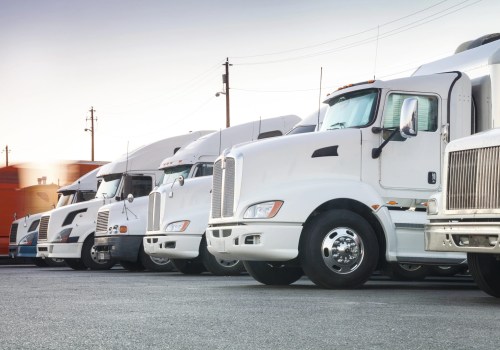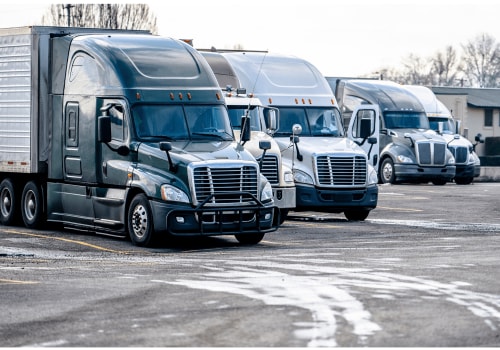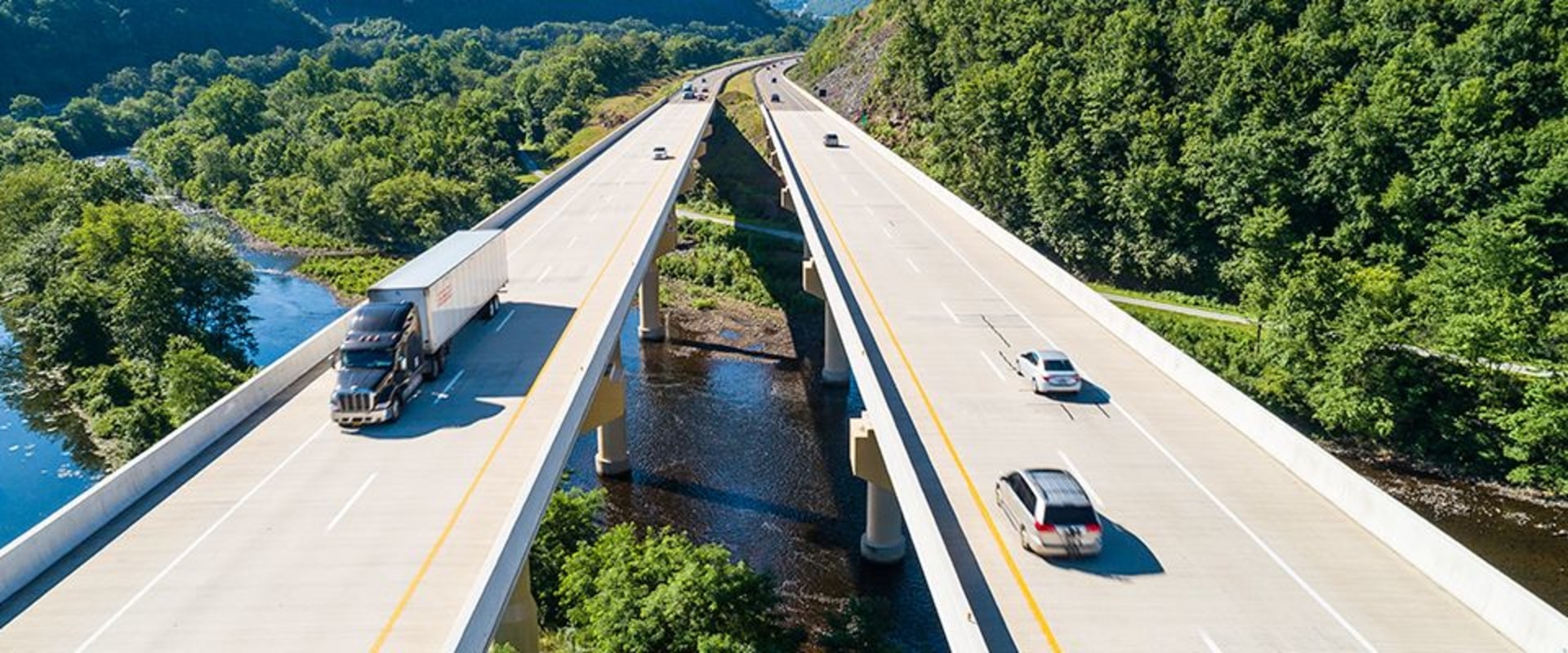
Commercial truck tolls play a significant role in maintaining and improving highway systems used by both freight carriers and everyday travelers. Toll roads are designed to fund road construction, infrastructure maintenance, and traffic management systems that keep transportation networks functioning efficiently. For freight companies, these toll routes often provide faster and more direct pathways for moving goods across regions. However, the presence of tolls also raises important considerations about balancing the needs of commercial freight traffic with passenger vehicles that rely on the same roadways for commuting, business travel, and personal transportation.
Why Freight Carriers Use Toll Roads
Freight companies frequently rely on toll roads because they offer predictable travel times and improved road conditions compared to some alternative routes. For long-haul trucking operations, time is closely tied to operational costs. Delays caused by traffic congestion, poor road conditions, or construction can disrupt delivery schedules and increase fuel expenses. Toll highways are often designed with smoother surfaces, wider lanes, and more efficient traffic flow, making them attractive routes for commercial trucks transporting large shipments.
Despite the higher cost of tolls for large vehicles, many logistics companies consider them worthwhile because they help maintain consistent delivery schedules. Faster travel times can improve supply chain efficiency and allow freight companies to meet strict delivery deadlines. For industries that depend on just-in-time inventory systems, reliable transportation routes are essential for maintaining productivity and customer satisfaction.
Passenger Travel on Toll Highways
While toll roads are important for freight transportation, they are also heavily used by passenger vehicles. Commuters, business travelers, and tourists often choose toll routes because they reduce travel time and provide more reliable driving conditions. In busy metropolitan areas, toll roads help distribute traffic more evenly across the highway network, which can ease congestion on free roadways.
Passenger transportation services also rely on these efficient roadways to maintain reliable schedules. For instance, companies providing executive travel options may utilize major toll routes to ensure their clients reach destinations on time. In cities like Austin, professional transportation providers offering Austin Choice Executive Sedan and Limo's corporate service often rely on well-maintained highway systems to deliver punctual service for business meetings, airport transfers, and corporate events. These routes allow drivers to navigate busy urban areas while maintaining a smooth travel experience for passengers.
Balancing Freight Efficiency and Public Accessibility
The challenge for transportation planners lies in balancing the needs of freight carriers with those of everyday travelers. Heavy truck traffic can place additional stress on road infrastructure, which is one reason toll systems are structured to charge commercial vehicles higher fees. These fees help fund maintenance efforts required to keep highways safe and functional for all users.
At the same time, policymakers must ensure that toll costs do not place excessive burdens on businesses that rely on trucking for goods transportation. Freight costs ultimately affect product pricing, which means toll policies can influence the broader economy. Finding the right balance between fair pricing and infrastructure funding is a key aspect of modern transportation planning.
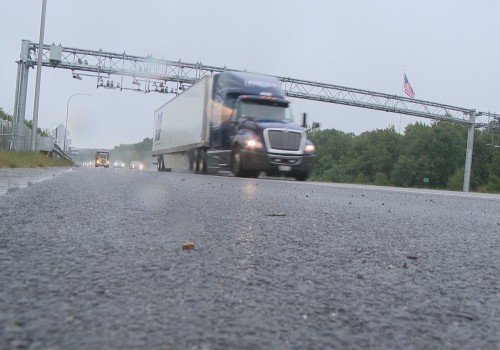
To support this balance, many regions implement electronic tolling systems that reduce congestion at toll booths and allow vehicles to move through toll points without stopping. These technologies improve traffic flow for both freight trucks and passenger vehicles while simplifying toll collection processes.
Infrastructure Investments and Future Transportation Needs
As population growth and economic activity increase, transportation networks must evolve to support both freight shipping and passenger mobility. Investments in toll roads often fund major infrastructure improvements such as expanded lanes, improved bridges, and advanced traffic monitoring systems. These upgrades benefit all road users by improving safety, reducing congestion, and supporting efficient transportation across regions.
Freight carriers depend on strong infrastructure to move goods reliably, while passenger transportation services require dependable roadways to maintain efficient travel experiences. Toll systems help provide the financial resources needed to maintain and expand these critical networks.
Supporting a Shared Transportation System
Commercial truck tolls represent an important part of the broader transportation ecosystem. By funding infrastructure improvements and supporting efficient road systems, tolls help create a shared network where freight carriers and passenger travelers can move safely and efficiently. When managed effectively, toll policies allow highways to accommodate the growing demands of commerce while still providing reliable travel options for everyday drivers.
Balancing these needs ensures that transportation systems remain sustainable and capable of supporting both economic growth and the mobility of the communities they serve.