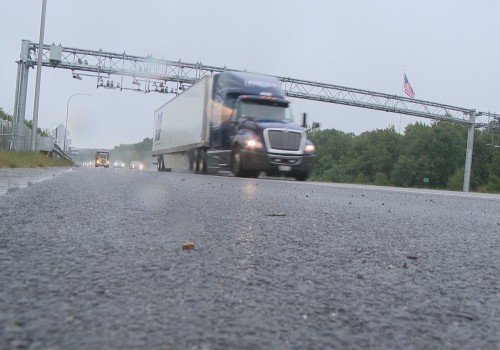
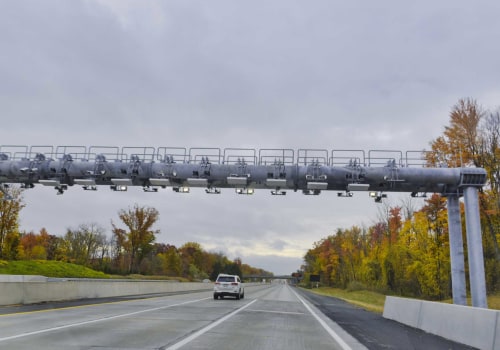
Commercial trucking is a critical part of modern waste management systems, particularly when transporting large volumes of debris from construction sites, commercial properties, and residential cleanouts. Waste disposal vehicles often travel long distances between collection points, transfer stations, recycling centers, and landfills. During these routes, trucks frequently pass through toll roads, bridges, and highways that require payment for commercial vehicles. These tolls play an important role in maintaining transportation infrastructure, but they also become a factor that logistics planners must consider when organizing waste removal operations. Because commercial waste hauling vehicles are often larger and heavier than passenger vehicles, toll costs can add up quickly if routes are not carefully planned. As a result, companies involved in waste disposal must balance route efficiency, fuel consumption, and toll expenses to keep operations cost-effective.
Planning Efficient Waste Disposal Routes
Efficient route planning is essential for companies that manage waste transportation. Dispatchers and logistics coordinators analyze road networks, traffic patterns, and toll systems to determine the best routes for their trucks. The goal is to minimize travel time while also controlling operational costs. In many cases, toll roads offer faster travel times and reduced congestion, which can help trucks reach disposal facilities more quickly. However, the additional cost of tolls must be weighed against potential fuel savings and reduced labor hours. Advanced route planning tools and GPS systems allow waste management companies to evaluate multiple route options and choose the most efficient path for each trip. This careful planning helps ensure that waste is transported promptly while maintaining a balance between speed and cost.
The Importance of Local Waste Collection Services
Before waste materials begin their journey along highways and toll roads, they must first be collected at the local level. Construction projects, renovation sites, and property cleanouts often rely on large containers that allow workers to dispose of debris safely and efficiently. These containers serve as temporary storage points where materials accumulate until they are ready to be transported to processing or disposal facilities. Services such as dumpster rental service in Dayton, OH help streamline this part of the waste management process by providing accessible containers for contractors, businesses, and homeowners. Once the containers are filled, hauling trucks transport the materials through planned routes that may involve toll roads and long-distance travel to appropriate waste management facilities.
Balancing Costs and Operational Efficiency
Waste disposal companies must carefully manage operational costs while maintaining reliable service for their clients. Fuel expenses, driver wages, vehicle maintenance, and toll fees all contribute to the overall cost of transportation. Efficient route planning helps reduce unnecessary mileage and prevent delays that could increase expenses. Some companies choose routes that avoid tolls when possible, while others rely on toll roads to reduce travel time and increase the number of trips completed within a day. The decision often depends on the specific circumstances of the waste hauling job, including distance, traffic conditions, and delivery deadlines. By analyzing these variables, logistics planners can determine the most effective route for each truck.
Supporting Reliable Waste Management Systems
Commercial truck routes and toll planning are essential components of reliable waste management operations. By coordinating local waste collection services with carefully planned transportation routes, waste management companies ensure that debris is removed efficiently and delivered to the proper facilities. This system supports construction projects, property cleanouts, and community waste removal efforts by keeping materials moving smoothly through the disposal network. Thoughtful planning helps companies maintain consistent service while managing costs associated with long-distance transportation and toll infrastructure. As communities continue to grow and infrastructure expands, efficient waste disposal routing will remain a key factor in maintaining organized and environmentally responsible waste management systems.