Waste removal services depend heavily on transportation networks to collect and dispose of debris from homes, construction sites, and commercial facilities. Many of these services operate large trucks that travel daily between neighborhoods, job sites, transfer stations, recycling centers, and landfills. Because these vehicles often use highways and major roadways, changes in commercial truck toll policies can significantly impact how waste removal companies plan their operations. Toll increases, new electronic tolling systems, and restrictions on certain types of vehicles can all influence route planning and overall transportation costs. As a result, waste management companies must stay informed about transportation regulations and adjust their strategies to ensure efficient service while keeping operational costs manageable.
Route Planning and Operational Adjustments
When toll policies change, waste removal companies often review and update their route planning systems to reduce unnecessary expenses. Many companies rely on advanced logistics software that calculates the most efficient routes based on traffic conditions, fuel consumption, and toll charges. By analyzing these factors, dispatchers can design routes that minimize both travel time and operating costs. For example, drivers may be directed to use alternative roads that avoid expensive toll routes while still reaching collection areas on schedule. However, avoiding toll roads entirely is not always practical, especially in densely populated urban regions where major highways provide the fastest connections between service areas and disposal facilities. Waste removal companies must balance toll costs with the need to maintain reliable pickup schedules for their customers.
Supporting Businesses and Construction Sites
Commercial waste removal plays a vital role in supporting businesses and construction projects that generate significant amounts of debris. Restaurants, retail stores, office buildings, and industrial facilities rely on regular waste pickup to maintain safe and clean environments. Construction sites in particular require efficient waste management because debris such as wood scraps, drywall, metal, and packaging materials can accumulate quickly during building projects. To manage these needs, contractors often partner with companies offering services such as dumpster rental in Arvada CO, allowing construction teams to collect debris in designated containers that can be transported to disposal facilities once full. These services must operate on predictable schedules regardless of toll policy changes, making transportation planning especially important for waste removal providers.
Adapting to Policy Changes Through Technology
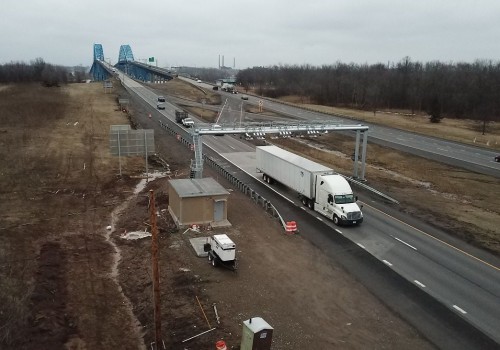
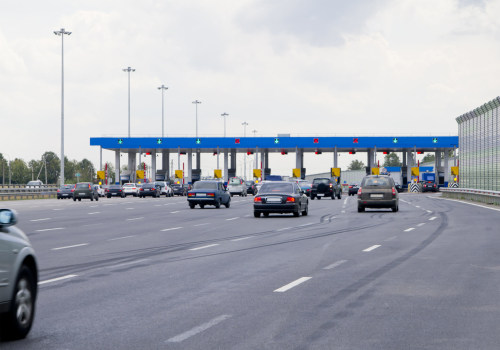
Modern waste removal companies are increasingly turning to technology to adapt to evolving transportation policies. GPS tracking, fleet management platforms, and route optimization software allow companies to monitor truck locations, calculate fuel usage, and evaluate the cost impact of toll routes. With this data, managers can quickly adjust service schedules or reroute trucks if toll changes make certain routes less efficient. Electronic toll collection systems have also simplified the payment process, allowing trucks to pass through toll points without stopping. While these systems make travel more convenient, they also require waste removal companies to carefully track toll charges to ensure they remain within operational budgets.
Maintaining Reliable Waste Services
Despite the challenges posed by changing toll policies, waste removal companies remain committed to maintaining consistent service for their customers. Businesses and construction projects rely on regular waste collection to keep operations running smoothly, and disruptions in waste pickup can quickly lead to safety hazards and operational delays. By adapting their transportation strategies, investing in logistics technology, and monitoring toll regulations, waste removal providers can continue delivering reliable services even as transportation costs fluctuate.
As infrastructure policies evolve, the waste management industry will likely continue refining its operations to remain efficient and cost-effective. Through careful planning and technological innovation, waste removal companies can navigate toll policy changes while still providing essential services that help communities, businesses, and construction projects maintain clean and organized environments.