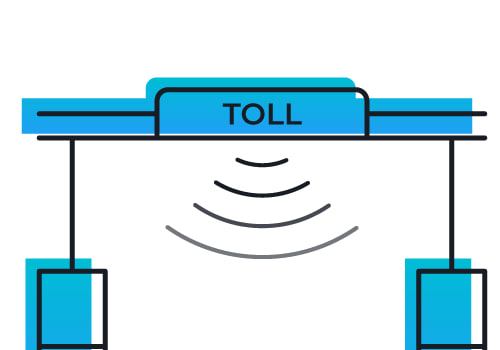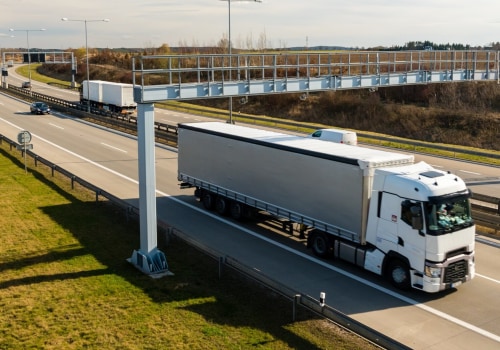
Planning smarter routes around commercial truck tolls is a critical aspect of modern logistics management. Tolls can significantly influence operational costs, especially for long-haul trucking companies that frequently pass through multiple toll roads and highways. While toll routes often provide faster and more direct paths, they can also accumulate substantial expenses over time. Understanding how toll systems work—including variable pricing, peak-hour rates, and regional differences—allows logistics planners to make informed decisions. By analyzing these factors, companies can strike a balance between cost efficiency and delivery speed, ensuring that routes are both economical and practical.
Leveraging Technology for Route Optimization
Advancements in technology have made it easier than ever to plan efficient routes that minimize toll expenses. GPS systems and route optimization software now offer detailed insights into toll costs, traffic conditions, and alternative paths. These tools allow fleet managers to compare multiple route options in real time, identifying the most cost-effective solutions without compromising delivery schedules. Data analytics also play a key role, helping companies track historical toll expenses and identify patterns that can inform future planning. With these technologies, businesses can proactively adjust routes to avoid unnecessary tolls while maintaining reliable service.
Balancing Cost, Time, and Efficiency
Avoiding tolls entirely is not always the best strategy, as it can lead to longer travel times and increased fuel consumption. The key is finding the right balance between cost, time, and efficiency. In some cases, paying a toll may be more economical if it significantly reduces travel distance or avoids heavy traffic. Logistics planners must evaluate each route based on factors such as delivery deadlines, fuel costs, and driver availability. Integrating complementary services, such as Daddio, can also enhance overall efficiency by ensuring that personnel or clients are transported smoothly while freight operations remain optimized. This holistic approach helps businesses achieve better coordination across different aspects of their operations.
Strategic Planning for Long-Term Savings
Long-term savings in toll management require a strategic approach that goes beyond day-to-day route planning. Companies can negotiate toll discounts, invest in toll management systems, and implement policies that guide drivers on preferred routes. Training drivers to understand toll routes and encouraging adherence to optimized plans can further reduce unnecessary expenses. Additionally, maintaining open communication between dispatch teams and drivers ensures that any unexpected changes—such as road closures or traffic delays—are handled efficiently. Over time, these strategies contribute to more predictable costs and improved operational performance.
The Future of Smarter Route Planning
As the logistics industry continues to evolve, smarter route planning around commercial truck tolls will become increasingly important. Innovations such as real-time traffic integration, AI-driven route optimization, and dynamic pricing analysis are expected to further enhance decision-making capabilities. These advancements will enable companies to adapt quickly to changing conditions and maintain a competitive edge. By embracing technology and strategic planning, businesses can navigate the complexities of toll systems while optimizing efficiency, reducing costs, and delivering consistent service.