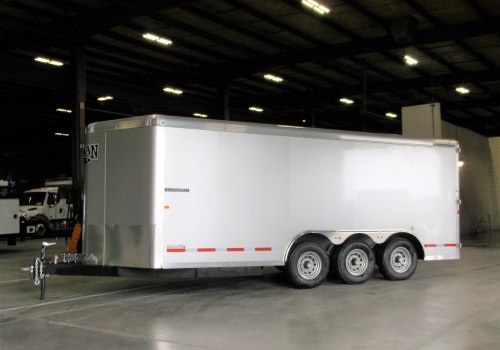
Commercial trucking operations depend on efficient transportation routes to ensure timely deliveries, control expenses, and maintain reliable supply chains. Toll roads often provide convenient alternatives to heavily congested highways, allowing commercial vehicles to travel more efficiently between distribution centers, warehouses, and delivery destinations. However, toll road usage requires careful planning because charges can vary depending on vehicle size, axle count, travel distance, and payment methods. Trucking companies must evaluate these factors when developing transportation strategies. Effective toll road planning helps fleet operators balance travel expenses with operational efficiency while minimizing unnecessary delays and maintaining dependable delivery schedules.
Managing Transportation Costs and Toll Expenses
Toll fees can represent a significant operating expense for trucking companies managing multiple vehicles and frequent long-distance deliveries. Without proper planning, unexpected charges may increase transportation costs and affect overall profitability. Fleet managers can address this challenge by reviewing available toll routes, comparing alternative highways, and calculating estimated expenses before dispatching vehicles. Electronic toll collection systems can simplify payment processing and improve expense tracking. Maintaining accurate records also allows businesses to identify frequently used routes and evaluate whether toll roads provide sufficient time savings to justify their costs.
Improving Delivery Efficiency and Route Optimization
Efficient route planning is essential for commercial trucking businesses operating under demanding delivery schedules. Toll roads may offer reduced congestion, fewer intersections, and more predictable travel conditions compared with certain alternative routes. However, the fastest route is not always the most economical option. Fleet managers should consider traffic patterns, fuel consumption, toll charges, and delivery deadlines when selecting appropriate transportation routes. Modern fleet management software can help analyze these variables and recommend practical routing strategies. Coordinating transportation logistics with supporting service providers, such as Talkin' Trash, may also benefit businesses managing waste collection or disposal requirements alongside commercial transportation activities.
Reducing Fuel Consumption and Vehicle Wear
Transportation routes influence fuel efficiency and long-term vehicle maintenance expenses. Routes with frequent stops, heavy congestion, and extended idling can increase fuel consumption and place additional strain on commercial trucks. Certain toll roads offer smoother traffic flow, potentially reducing unnecessary acceleration, braking, and engine idling. These conditions may contribute to improved fuel efficiency and reduced vehicle wear. However, fleet managers should evaluate whether additional toll charges outweigh potential fuel and maintenance savings. Comparing total transportation expenses provides a more accurate understanding of route profitability than considering toll fees alone.
Maintaining Compliance With Trucking Regulations
Commercial trucking operations must follow various transportation regulations, including vehicle weight restrictions, height limitations, and designated truck routes. Not every toll road or expressway accommodates all commercial vehicle configurations. Fleet managers should verify route restrictions before dispatching trucks carrying oversized or heavy loads. Planning must also account for driver hours-of-service requirements, rest stops, and applicable transportation permits. Following these requirements helps prevent regulatory violations, unexpected detours, and operational disruptions.
Supporting Better Fleet Management Decisions
Accurate toll road planning contributes to more effective fleet management by improving transportation cost forecasting and operational coordination. Businesses can review historical toll expenses, delivery performance, and traffic conditions to identify opportunities for improvement. Regular route evaluations also help fleet operators adapt to changing toll rates, construction projects, and transportation demands.
Building More Reliable Trucking Operations
Successful commercial trucking operations require a balanced approach to transportation planning, cost management, and regulatory compliance. By evaluating toll road expenses, optimizing delivery routes, and monitoring vehicle performance, trucking companies can reduce unnecessary spending while maintaining reliable service. Thoughtful toll road planning ultimately supports efficient fleet operations, improved scheduling, and stronger long-term business performance.