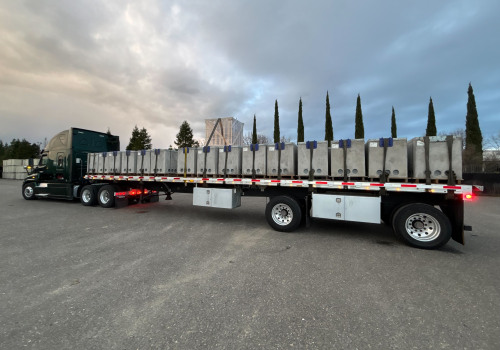
Modern businesses depend on efficient transportation systems to keep operations running smoothly, whether moving products across state lines or transporting executives to important meetings. Commercial trucking plays a central role in supply chains by delivering raw materials, finished products, and essential equipment to manufacturers, warehouses, retailers, and customers. At the same time, professional passenger transportation helps business leaders travel comfortably and efficiently between airports, offices, conferences, and client locations. Together, freight transportation and executive travel contribute to a well-connected business environment where goods and people can move with minimal disruption. As companies continue expanding into new markets, reliable transportation infrastructure remains one of the most important factors supporting economic growth, operational efficiency, and customer satisfaction.
Commercial Truck Tolls Contribute to Efficient Freight Movement
Commercial truck tolls are an important part of maintaining many highways, bridges, and express routes that freight carriers rely on every day. Although toll expenses represent an operational cost for trucking companies, these roadways often provide faster travel times, reduced congestion, and more predictable delivery schedules. For logistics companies, time savings can translate into improved fleet utilization, lower fuel consumption during stop-and-go traffic, and more accurate shipment planning. Toll roads also help distribute traffic across transportation networks, improving mobility for both commercial and personal vehicles. Dispatchers frequently evaluate toll costs alongside travel time, delivery deadlines, and fuel efficiency when selecting the most effective routes. By balancing these considerations, businesses can maintain reliable shipping schedules while controlling transportation expenses and meeting customer expectations for timely deliveries.
Professional Limo Services Enhance Executive Mobility
While commercial trucking focuses on moving cargo, professional limousine services support the movement of business professionals whose schedules often require precision and flexibility. Executives regularly travel between airports, corporate offices, hotels, conferences, client meetings, and networking events, making dependable transportation an essential part of their daily operations. Professional chauffeur services provide scheduled pickups, experienced drivers, and comfortable vehicles that allow passengers to remain productive or simply relax between appointments. Unlike standard transportation options that may depend on availability, limousine services are designed to offer consistent reliability through advance planning and personalized service. Businesses that welcome investors, clients, or visiting executives also benefit from providing transportation that reflects professionalism and attention to detail. Choosing a trusted provider such as Supreme Lane Limo Service in New Orleans helps organizations create a positive first impression while ensuring travelers arrive safely, comfortably, and on schedule.
Integrated Transportation Supports Business Success
Successful businesses recognize that efficient transportation involves more than simply delivering products or transporting employees independently. Freight movement and passenger transportation often complement one another by supporting different aspects of the same business operation. Commercial trucks keep inventory flowing through supply chains, while executive transportation enables decision-makers to oversee projects, negotiate contracts, inspect facilities, and strengthen client relationships. Investments in transportation infrastructure, including toll roads, highway improvements, and professional transportation services, contribute to stronger business mobility across industries. Organizations that carefully coordinate both freight logistics and executive travel often experience improved operational efficiency because every stage of transportation receives appropriate attention. As commerce continues to evolve in increasingly competitive markets, businesses will continue relying on dependable transportation partners capable of supporting both cargo movement and passenger travel. By combining efficient freight planning with reliable executive transportation, companies position themselves to respond more effectively to customer needs, maintain productive schedules, and build stronger professional relationships. This integrated approach not only improves day-to-day operations but also creates long-term value by enhancing reliability, flexibility, and overall business performance in today's fast-moving commercial environment.