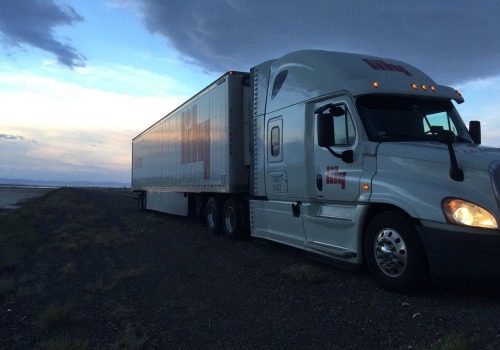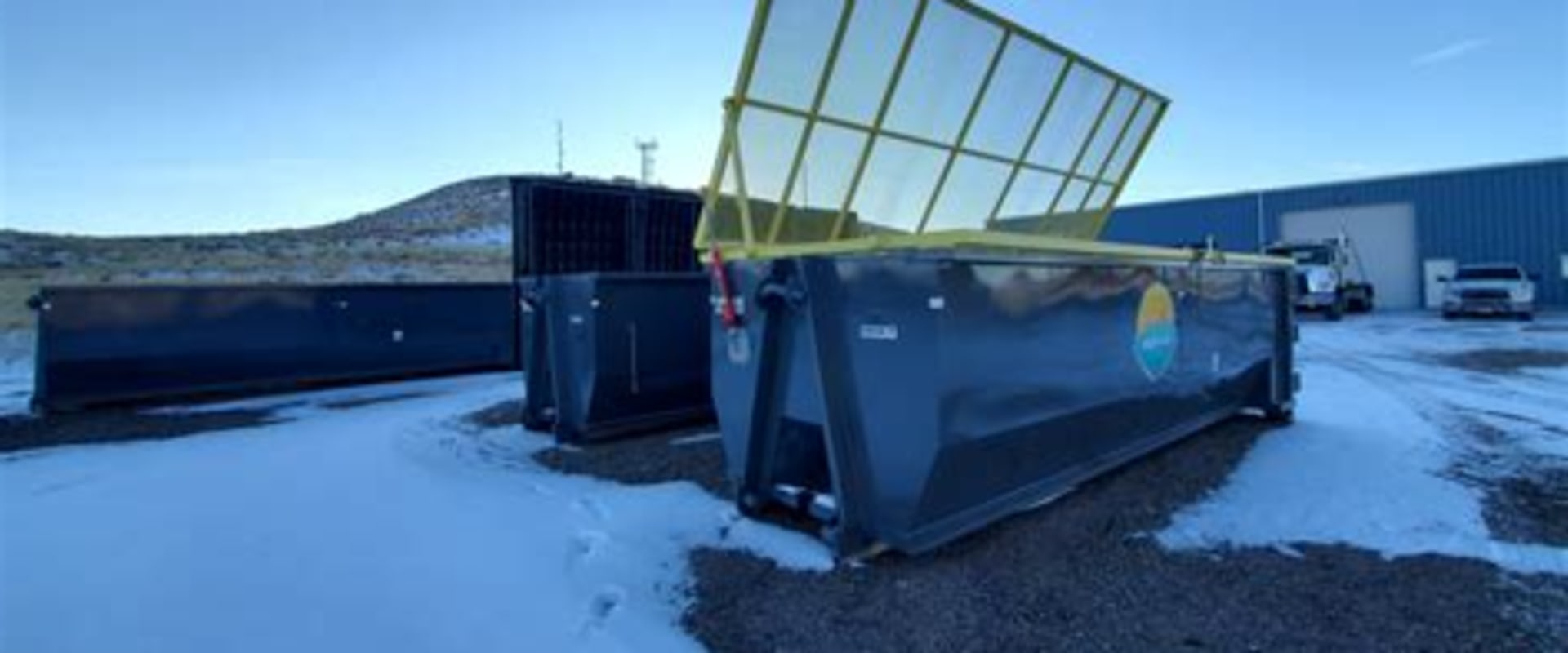
Growing dumpster rental companies face a complex and often underestimated logistical challenge in commercial truck tolls, especially as fleets expand across counties and state lines. Every additional route introduces layered costs that go beyond fuel and maintenance, requiring careful planning to maintain profitability. Unlike standard delivery services, dumpster transport involves heavy loads, variable schedules, and frequent short-haul trips between job sites and disposal facilities. Toll roads, bridges, and expressways can significantly alter cost structures, particularly when drivers must choose between faster tolled routes and slower free alternatives. Over time, these decisions accumulate into substantial operational differences that affect pricing models, customer turnaround times, and fleet efficiency. As demand increases, companies must develop smarter dispatch systems that account for toll exposure while still meeting strict pickup and drop-off windows for construction, residential, and commercial clients.
Toll Strategy and Route Optimization in Fleet Operations
Modern dumpster rental operations rely heavily on route optimization software, yet even the most advanced systems struggle to fully account for commercial toll variability in real time. Drivers transporting heavy roll-off containers must often avoid certain bridges or tunnels due to weight restrictions, forcing detours that increase fuel consumption and labor hours. In competitive markets, even small toll differences can impact pricing structures and profit margins, especially when servicing high-frequency construction zones. For example, expanding suburban coverage for roll-off dumpster rental in New Haven CT requires constant recalibration of delivery routes to ensure that trucks are not spending disproportionate time or money on toll-heavy corridors. Dispatch teams often analyze historical toll data to identify cost-efficient patterns, sometimes scheduling pickups during off-peak traffic hours to reduce both toll congestion and idle time. This level of planning is essential for maintaining profitability while still offering responsive customer service.
Cost Pressure and Customer Pricing Implications
Commercial toll expenses eventually filter down into customer pricing structures, even when companies attempt to absorb short-term fluctuations. Dumpster rental services operate on tight margins where transportation costs represent a significant portion of total operational expenditure. As fleets grow and expand into wider service areas, toll accumulation becomes a predictable but unavoidable expense that must be distributed across service rates. Companies must carefully decide whether to implement flat-rate pricing or distance-based fees that reflect toll-heavy zones. In highly competitive markets, raising prices can risk losing customers, yet failing to account for toll expenses can erode profitability over time. To mitigate this, many operators invest in backhaul efficiency strategies, ensuring that returning trucks are not traveling empty through expensive toll corridors. This helps balance revenue per trip and reduces unnecessary financial strain on expanding operations.
Long-Term Scaling and Infrastructure Planning
Long-term scaling in the dumpster rental industry requires more than adding trucks or expanding service areas; it demands strategic infrastructure planning that incorporates toll forecasting into everyday decision-making. As companies grow, they often invest in analytics systems that predict toll exposure based on route history, traffic patterns, and regional expansion goals. This helps reduce inefficiencies and supports sustainable fleet management practices. Over time, these insights allow businesses to make informed decisions about depot locations, service boundaries, and scheduling models. By treating tolls as a core operational factor rather than an incidental cost, growing companies can maintain stability while expanding their reach across increasingly complex logistics networks.