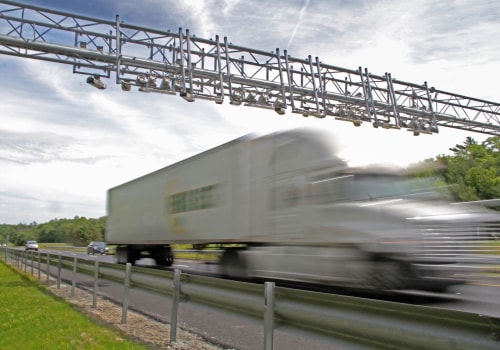
Transporting goods through toll-heavy routes can present a unique set of logistical and financial challenges for both businesses and individuals. Frequent toll charges can significantly increase transportation costs, especially for long-distance or repeated trips through major highways and urban corridors. In addition to expenses, drivers may also face delays due to congestion at toll booths or traffic build-up near major interchanges. These factors can disrupt delivery schedules and reduce overall efficiency. As a result, logistics planners are constantly looking for ways to optimize routes and minimize unnecessary trips without compromising delivery timelines.
Reducing Trips Through Strategic Storage
One effective way to manage toll-related costs is by reducing the number of trips required along these routes. Self storage plays a critical role in this strategy by providing a centralized location where goods can be temporarily stored before final distribution. Instead of making multiple deliveries through toll-heavy roads, transporters can consolidate shipments and move them in fewer, more efficient trips. Facilities like Toy Storage can serve as secure self storage hubs where goods are held safely until they are ready for delivery. This approach not only cuts down on toll expenses but also streamlines logistics operations by allowing for better planning and coordination.
Improving Route Flexibility and Planning
Self storage also enhances route flexibility, which is essential when dealing with toll-heavy areas. Rather than being locked into a single delivery schedule, drivers can adjust their routes and timing based on traffic conditions, toll costs, or customer availability. For example, goods can be transported to a nearby storage facility during off-peak hours when toll roads are less congested, and then delivered later using more cost-effective local routes. This flexibility allows logistics teams to avoid peak toll periods and reduce delays, ultimately improving delivery efficiency and customer satisfaction.
Supporting Cost-Effective Logistics Operations
Managing transportation costs is a top priority for any logistics operation, and toll fees can quickly add up if not carefully controlled. By integrating self storage into the supply chain, businesses can create a buffer that helps reduce unnecessary travel. Instead of rushing to complete deliveries in a single trip, goods can be stored temporarily and distributed in smaller, more strategic batches. This method not only lowers toll expenses but also reduces fuel consumption and vehicle wear and tear. Over time, these savings can have a significant impact on overall operational costs.
Enhancing Reliability and Reducing Risks
Toll-heavy routes are often associated with high traffic volumes, which can increase the risk of delays and accidents. By using self storage as an intermediary step, businesses can minimize these risks and maintain more reliable delivery schedules. Goods can be staged in storage facilities closer to their final destinations, reducing the distance and complexity of the last-mile delivery. This approach also provides an added layer of security, ensuring that items are stored safely in controlled environments until they are ready to be transported.
A Smarter Approach to Toll-Heavy Logistics
Incorporating self storage into logistics planning offers a practical solution to the challenges posed by toll-heavy transport routes. It provides the flexibility needed to optimize routes, reduce costs, and improve overall efficiency. By strategically using storage facilities, businesses and individuals can better manage their transportation needs while avoiding unnecessary expenses and delays. This smarter, more adaptable approach ensures that goods reach their destinations in a timely and cost-effective manner, even when navigating complex and toll-intensive road networks.