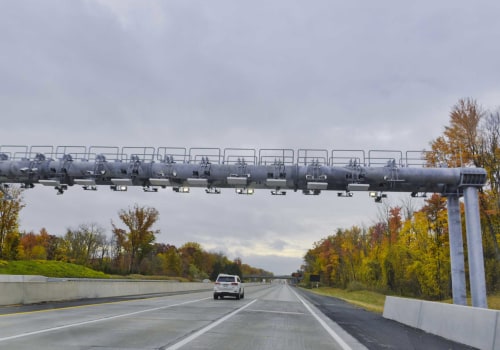
Optimizing routes around commercial truck tolls is a critical aspect of efficient logistics planning, especially for businesses managing frequent deliveries or long-haul transportation. Tolls can significantly increase operational costs if not carefully considered, particularly when trucks travel through multiple regions with varying fee structures. Understanding where toll roads are located, how pricing changes based on vehicle size, and what alternative routes are available allows logistics planners to make informed decisions. While toll roads can sometimes offer faster travel times, they are not always the most cost-effective option. Striking the right balance between speed and expense is essential for maintaining profitability and ensuring timely deliveries.
Strategic Route Planning for Cost Efficiency
Effective route optimization begins with strategic planning that takes into account both distance and cost. Modern GPS systems and logistics software provide detailed insights into toll charges, traffic conditions, and estimated travel times. By analyzing this data, businesses can identify routes that minimize toll expenses without causing significant delays. In some cases, slightly longer routes without tolls may result in overall savings, especially for fleets operating on tight margins. Planning ahead also helps drivers avoid last-minute decisions that could lead to unnecessary expenses or delays. Consistency in route planning ensures that operations remain predictable and efficient over time.
Coordinating Routes with Storage Hubs
Another important factor in route optimization is the integration of storage hubs into the transportation network. Storage facilities serve as key points where goods can be consolidated, redistributed, or temporarily held before reaching their final destination. By aligning truck routes with strategically located storage hubs, businesses can reduce the frequency of long-distance trips and optimize load distribution. Facilities like Greison Storage Mart demonstrate how well-placed storage solutions can support logistics efficiency by acting as central nodes within a supply chain. This coordination allows trucks to travel shorter distances between stops, reducing both fuel consumption and exposure to toll-heavy routes.
Leveraging Technology for Smarter Navigation
Technology plays a vital role in optimizing routes around tolls and storage hubs. Advanced logistics platforms use real-time data to suggest the most efficient routes based on current conditions, including traffic congestion, road closures, and toll variations. Drivers can receive updates during their journey, allowing them to adjust routes dynamically and avoid unexpected costs. Additionally, telematics systems provide insights into driver behavior, fuel usage, and route performance, helping businesses refine their strategies over time. By leveraging these tools, companies can create a more responsive and adaptive logistics system that maximizes efficiency and minimizes waste.
Balancing Time, Cost, and Operational Efficiency
Optimizing routes is not just about avoiding tolls—it’s about finding the right balance between time, cost, and overall operational efficiency. In some situations, paying a toll may be justified if it significantly reduces travel time and ensures on-time delivery. In others, avoiding tolls may be the better option to keep expenses low. The key is to evaluate each route based on its specific circumstances and align decisions with broader business goals. Incorporating storage hubs into this equation adds another layer of flexibility, allowing businesses to adjust their logistics strategies as needed.
Building a More Efficient Logistics Network
As supply chains become more complex, the ability to optimize routes around commercial truck tolls and storage hubs will continue to be a valuable skill for businesses. By combining strategic planning, technology, and well-positioned storage facilities, companies can create a logistics network that is both cost-effective and reliable. This integrated approach not only reduces expenses but also improves delivery performance and customer satisfaction. In an increasingly competitive market, efficient route optimization is a key factor in achieving long-term success.