Commercial toll zones can operate differently from standard passenger-vehicle toll roads, so drivers should understand the rules before beginning a trip. Fees may vary based on vehicle classification, number of axles, weight, time of day, or the specific roadway being used. Larger vehicles may pay higher rates, and certain commercial routes may have restrictions that do not apply to ordinary cars. Reviewing toll requirements in advance can help drivers avoid unexpected charges, missed payments, or route changes. For professional transportation providers, accurate toll planning is also an important part of estimating travel costs and maintaining reliable schedules.
Checking Vehicle Classification
One of the first things drivers should confirm is how their vehicle will be classified at the toll point. A van, shuttle, truck, trailer combination, or other commercial vehicle may fall into a different category from a standard passenger car. Toll systems often use axle counts, vehicle height, or weight to calculate charges. Similar transportation planning considerations may apply to services such as Utah Luxury Transportation Network - Park City, where vehicle type, passenger requirements, and route conditions can influence the overall trip. Knowing the vehicle classification beforehand can make budgeting and route selection more accurate.
Understanding Electronic Toll Systems
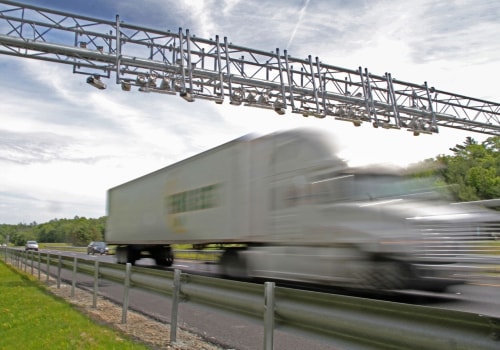
Many toll roads now rely heavily on electronic payment systems rather than staffed toll booths. Drivers may need a compatible transponder, prepaid account, or another accepted payment method. Some toll zones automatically photograph license plates and send invoices to the registered vehicle owner. Commercial drivers using rental or company vehicles should understand who is responsible for these charges and whether administrative fees may apply. Checking account balances and confirming that the transponder is properly mounted before departure can help prevent payment problems while traveling.
Planning for Route Restrictions
Commercial toll roads may include restrictions related to vehicle size, hazardous materials, oversize loads, or certain types of cargo. Some bridges, tunnels, and express lanes may prohibit specific commercial vehicles altogether. Drivers should review route regulations before entering a toll zone rather than assuming that every roadway shown on a navigation app is suitable. Truck-specific navigation tools can help identify height limits, weight restrictions, and prohibited routes. Failure to plan for these limitations can result in significant detours and delivery delays.
Accounting for Toll Costs
Toll expenses can become substantial on long trips, particularly for heavy trucks or vehicles with multiple axles. Drivers and transportation companies should include these costs when calculating route expenses. In some situations, an alternate toll-free route may appear cheaper but could increase fuel consumption and travel time. Comparing both options allows drivers to determine which route offers the best overall balance between cost and efficiency. For time-sensitive trips, paying a toll may be worthwhile if it helps avoid heavily congested roads.
Watching for Lane Instructions
Drivers should pay close attention to signs as they approach toll areas. Certain lanes may be reserved for electronic toll users, high-occupancy vehicles, or specific vehicle classes. Entering the wrong lane can cause confusion, missed payments, or unsafe last-minute lane changes. Commercial vehicles may also need additional space when merging or approaching toll equipment, making early lane selection especially important. Maintaining a safe following distance gives drivers more time to react to signs and traffic changes.
Preparing for Traffic and Delays
Toll plazas and major toll corridors can experience congestion during peak travel periods. Construction, accidents, payment issues, and holiday traffic may further increase delays. Drivers should allow additional travel time and monitor current traffic conditions when possible. Keeping fuel levels adequate and planning rest stops before entering heavily traveled corridors can also improve trip reliability.
Traveling Through Toll Zones More Efficiently
Successful travel through commercial toll zones depends on preparation. Drivers should understand vehicle classifications, payment requirements, route restrictions, lane rules, and expected costs before departure. Electronic payment systems can make toll travel more convenient, but they still require proper setup and monitoring. By planning ahead and staying alert to roadway signs, commercial drivers can reduce unnecessary delays, control expenses, and move through toll zones more safely and efficiently.