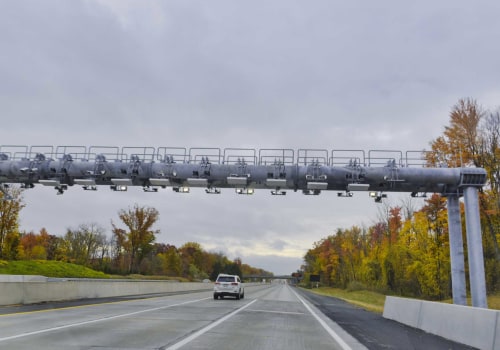
Heavy-duty freight transportation requires careful route planning to ensure shipments reach their destinations safely, efficiently, and within scheduled delivery windows. Commercial trucks frequently travel across highways, toll roads, and major transportation corridors while carrying substantial cargo loads. Toll road planning plays an important role in managing transportation expenses, reducing unnecessary delays, and maintaining operational efficiency. Because toll fees often vary depending on vehicle classification, axle count, and travel distance, logistics providers must evaluate these costs before beginning deliveries. Strategic planning helps trucking companies optimize routes while balancing transportation expenses, fuel consumption, and delivery requirements.
Managing Transportation Costs and Toll Expenses
Toll fees can represent a significant operating expense for heavy-duty trucking companies, particularly when vehicles regularly travel across multiple states.
Commercial trucks may face higher toll charges than passenger vehicles because of their size, weight classification, and number of axles.
Fleet managers can reduce unnecessary expenses by comparing available routes, estimating toll charges, and evaluating whether alternative highways provide reasonable savings.
However, avoiding toll roads is not always financially beneficial. Longer routes may increase fuel consumption, driver hours, and vehicle wear, potentially outweighing reduced toll expenses.
Improving Delivery Schedules and Route Efficiency
Timely freight deliveries depend on efficient transportation routes and accurate travel estimates. Toll roads often provide convenient connections between major cities, distribution centers, and industrial facilities.
Professional logistics coordinators use navigation systems and transportation management software to evaluate traffic conditions, road restrictions, and estimated arrival times.
Planning routes carefully helps drivers avoid unnecessary detours while maintaining consistent delivery schedules.
Preparing for Unexpected Roadside Emergencies
Even carefully planned freight routes can experience unexpected vehicle breakdowns. Tire failures, overheating, battery problems, and mechanical malfunctions may interrupt transportation on toll highways.
Reliable assistance providers such as Road Angel Towing and Roadside Service can be valuable contacts during unexpected roadside emergencies. Fleet operators should confirm service coverage and heavy-duty recovery capabilities before traveling.
Emergency preparedness helps reduce downtime and supports safer vehicle recovery when mechanical problems occur.
Considering Vehicle Restrictions and Safety Requirements
Heavy-duty trucks must comply with applicable roadway regulations, including height restrictions, weight limits, axle requirements, and hazardous cargo regulations.
Some toll roads restrict certain commercial vehicles or require specialized permits.
Reviewing these conditions before departure helps transportation companies avoid violations, unnecessary delays, and potentially unsafe routes.
Supporting Efficient Fleet Management
Toll road planning becomes more effective when integrated with broader fleet management practices. Digital toll payment systems, GPS tracking, and expense monitoring tools help businesses maintain accurate transportation records.
Analyzing route expenses and delivery performance allows managers to identify opportunities for operational improvements.
Strengthening Freight Transportation Reliability
Effective toll road planning supports predictable expenses, safer operations, and dependable freight deliveries.
By combining accurate cost estimates, route optimization, vehicle maintenance, and emergency preparedness, logistics companies can improve transportation efficiency.
Ultimately, strategic toll management helps heavy-duty freight operators control expenses, reduce delays, and maintain reliable shipping services across extensive transportation networks.